 Share
Share
Medical Review by Dr Zoe Miller
Dr Zoe Miller graduated from the University of Warwick with an MBChB degree and has reviewed this content for medical accuracy.
Hypertension (high blood pressure) is one of the most common long-term health conditions in the UK, affecting around 4.1 million people in England alone.
It happens when the force of blood against the artery walls is consistently too high, putting pressure on the blood vessels and heart which can eventually cause damage. This damage can reduce blood flow to different organs in the body, lead the heart to pump less effectively, and may weaken the blood vessel walls, increasing the risk of an aneurysm (a bulge that can sometimes burst).
High blood pressure can develop quietly over time, often without obvious warning signs. This means many people with the condition don’t realise they have it.
Does High Blood Pressure Have Symptoms?
In most cases, high blood pressure does not cause noticeable symptoms. This is why it is often called a “silent condition.” When symptoms do appear, it is often because damage has already been done to an organ like the kidneys, heart, brain, or eyes.
You can feel completely well while still having high blood pressure readings, which is why relying on symptoms alone is not an effective way to detect it. Because of this, regular monitoring is especially important.
When Symptoms May Appear
Although most people experience no symptoms, very high or rapidly rising blood pressure can sometimes cause noticeable signs. These may include:
Headaches
Some people report persistent or severe headaches, particularly when blood pressure is significantly elevated.
Dizziness or feeling light-headed
This may occur, although it is not specific to high blood pressure and can be linked to many other causes.
Blurred vision
High blood pressure can sometimes affect the blood vessels in the eyes, leading to temporary vision changes.
Chest pain or shortness of breath
These are more serious symptoms and require urgent medical attention.
Nosebleeds
Occasional nosebleeds may happen in severe cases, but they are not a reliable indicator on their own.
It is important to note that these symptoms are not unique to high blood pressure and should always be assessed by a healthcare professional.
If hypertension remains undetected and goes untreated, it can lead to organ damage. This presents as conditions like kidney disease (with tiredness, swelling, and/or blood test changes), vascular dementia (with confusion and/or slowed thinking), heart disease (with chest pain, dizziness, and/or palpitations), or even erectile dysfunction.

Why High Blood Pressure Is Often Missed
Hypertension is frequently undiagnosed because it usually does not cause clear symptoms. Many people only discover it during routine checks at a GP surgery or pharmacy.
In the UK, adults aged 40-74 should visit their GP every 5 years for regular blood pressure checks. If you have an increased risk of hypertension, you should get checked every year, including if you:
- Have a family history of hypertension or type 2 diabetes
- Experience high stress levels, smoke, or drink more than the maximum recommended alcohol limits
- Have a diet high in salt or processed foods, are not very physically active, or are overweight
- Have a health condition that increase the risk of high blood pressure/blood vessel damage
- Had borderline high blood pressure at your last reading
- Have been started on a high blood pressure medication
What People Often Notice First (Real Experiences)
While clinical guidance focuses on symptoms, many people in online communities such as the Reddit Hypertension community share that they had no symptoms at all before being diagnosed.
Some common experiences include:
- Feeling completely fine during routine check-ups, only to discover high readings unexpectedly
- Ongoing tiredness that was initially blamed on stress or busy life
- Occasional headaches that were not obviously linked to blood pressure
A common theme is surprise, many people assume they would “feel” high blood pressure, but in reality, it often goes unnoticed for years.
This is why community discussions frequently emphasise the importance of regular monitoring rather than waiting for symptoms.
Why Monitoring Matters in the UK
In the UK, blood pressure checks are widely available through GP surgeries, pharmacies and home monitoring devices. Many healthcare professionals encourage home monitoring because it gives a more accurate picture over time, rather than a single reading in a clinic.
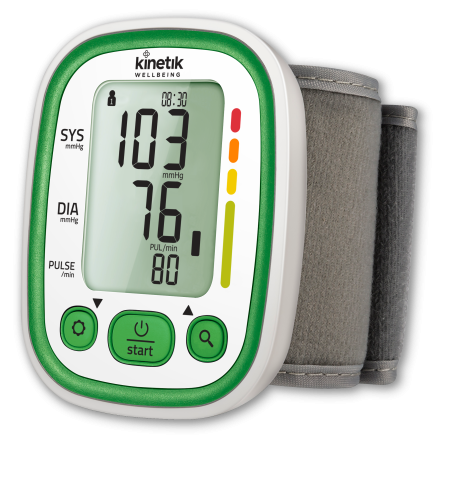
Tracking readings regularly can help identify changes early and support better long-term heart health. You can find our range of clinically validated blood pressure monitors here.
When to Seek Medical Advice
You should speak to a healthcare professional if:
- Your readings are consistently high
- You have any of the risk factors for hypertension we discussed previously
- You experience any concerning symptoms such as chest pain, severe headache or vision changes (this should be treated as an emergency)
While symptoms of hypertension like headaches or dizziness can sometimes occur in severe cases, they are not reliable warning signs, so regular monitoring is one of the most important steps in protecting your long-term heart and blood vessel health.